
A core practice, not a footnote
Adaptive pickleball is a core practice here.Not a footnote.
Four years of coaching players with disabilities — including players with developmental disabilities learning to play full games and keep score. Every adaptive program is built for one specific player: yours.
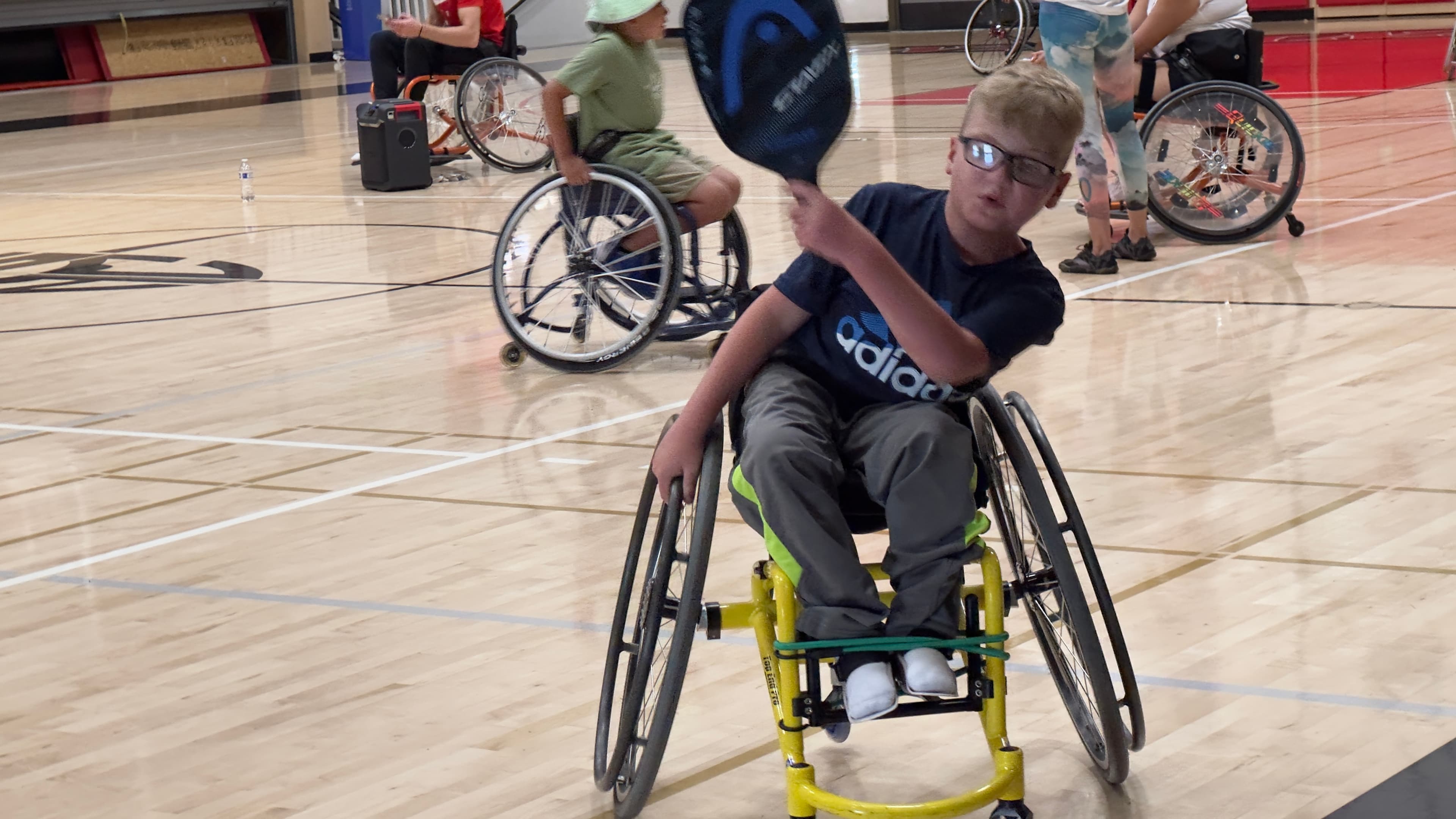
If you’re here for someone you love,start with this.
Maybe it’s your daughter, your father, a student, a client. You’ve probably already had the experience of a program that “welcomed everyone” until you showed up — or a coach who meant well but had no idea what to do.
Here’s what’s different in this practice: adaptive coaching isn’t something I squeeze in around the real business. It’s one of the reasons this practice exists. The “Family” in Family Pickleball was always meant literally — the whole family, as they are.
Real games, real progress,one player at a time.
There’s no adaptive “class” where everyone does the same modified drill. Each player gets their own intake — with questions about what helps them learn, what to avoid, and who should be involved — plus their own baseline using adaptive versions of the same ten skill dimensions every client is measured on, and their own program.
The goal is never “participation.” The goal is playing. My adaptive players learn to serve, rally, run points, keep score, and finish games. Progress might be measured differently for each player, but it is always measured — because adaptive players deserve visible progress as much as anyone.
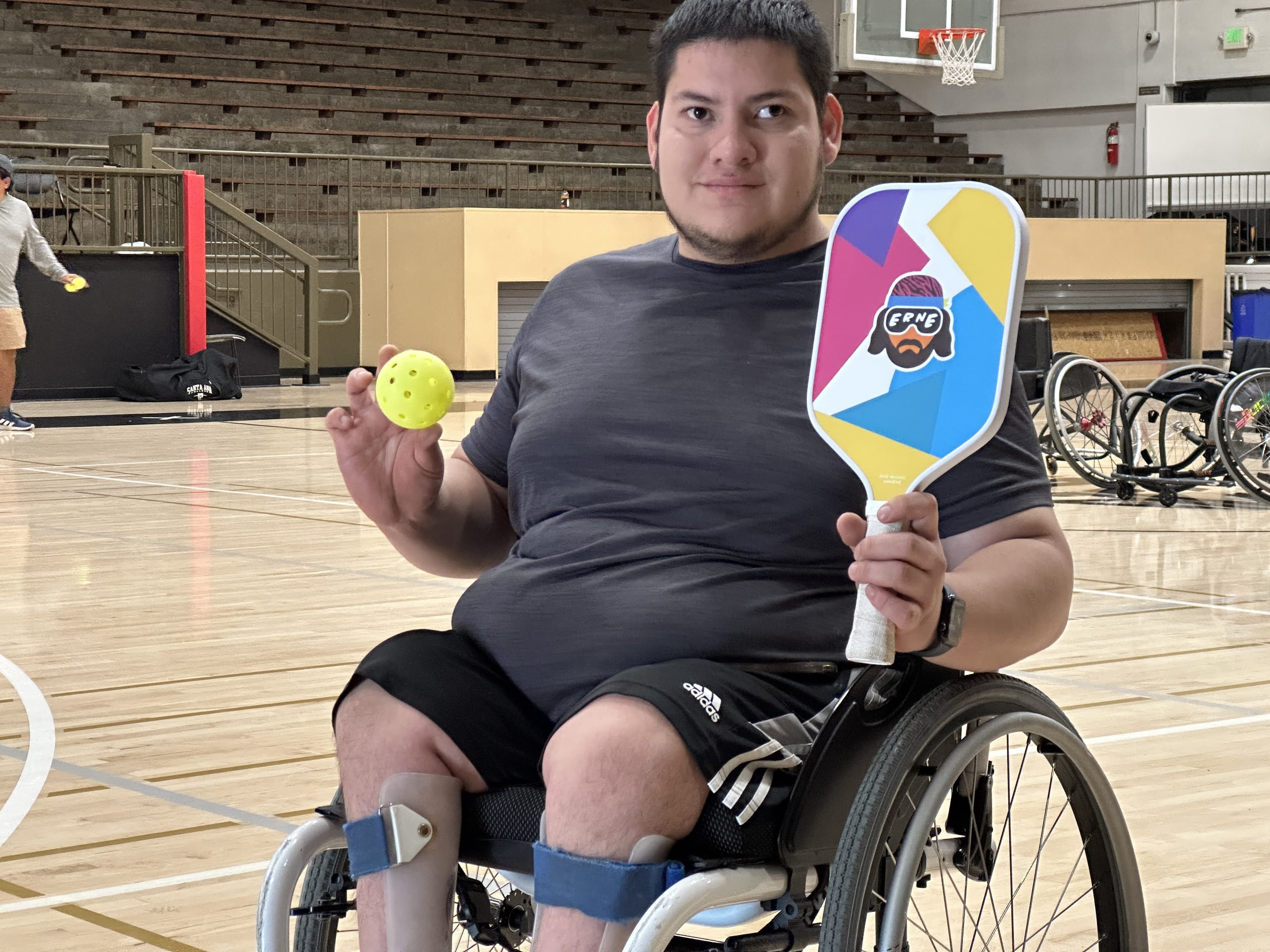
You know the player.I’ll build the plan with you.
Parents, caregivers, aides, and therapists are welcome in this process — in the intake, at sessions when it helps, and in how we define success. You’ll never have to guess how it’s going: you’ll see the same written assessments and progress notes every client gets.
If you’re not sure whether pickleball can work for your player, say so in the intake. An honest conversation costs nothing, and I’d rather tell you the truth than sell you a program.
Who’s welcome in the process
- Parents and family members, at every step.
- Caregivers and aides, in sessions when it helps the player.
- Therapists, shaping goals alongside the coaching plan.
- The player themselves, always at the center of the decision.
Every intake starts with a conversation.
No assessment, no program, no payment — until we’ve talked. Here’s exactly what happens after you submit the adaptive intake.
You start the adaptive intake
Questions about the player, in the family's or player's own words. No forms that reduce anyone to a diagnosis code.
Coach Tobin reads it personally
Every adaptive intake is read by hand, usually within two days. Nothing about this step is automated.
A real conversation, first
Before any assessment or program, a short phone or in-person conversation — so we meet each other properly.
Then, if it's a fit, a plan
An adaptive baseline and a program built for one specific player: yours. If it's not a fit, you'll be told honestly.
Tell me about your player.
The adaptive intake asks about goals, needs, and what helps — in the player’s or the family’s own words. I read every one personally.